Update: Another Day Down

Update: Another Day Down

I’ve made it another day with the juicing. I even found one juice recipe that I can drink without wanting to choke afterwards. It’s made mostly of pineapple, apple, and spinach. It helps that I get to eat fruits and vegetables. I got to snack on green grapes today, which was extremely satisfying. Luckily, I’m not hungry very often. The juice is very filling; the large amount of water I drink every day also helps keep me full.

I have talk therapy tomorrow, which is something I need. I just need to be able to talk to someone who understands and doesn’t freak out or become overly concerned when I explain certain aspects of my depression. I know my depression is slowly getting better, but that doesn’t mean I feel good. At this point, it means I’m no longer taking naps during the day, I’m sleeping at night, and I’m willing to leave the house to run errands. I believe I will keep improving, slowly but surely.
Productivity with Bipolar Disorder

Productivity with Bipolar Disorder

Being productive can be an extremely difficult task for those with bipolar disorder depending on their mood. Personally, I have no problem maintaining productivity when I’m manic. In fact, I can’t sit still during manic episodes; I’m always finding something to do. However, staying productive during a depressive episode is one of the most difficult challenges I face; it can even be difficult at times when I’m feeling well. I use the following techniques to help me stay productive and organized:

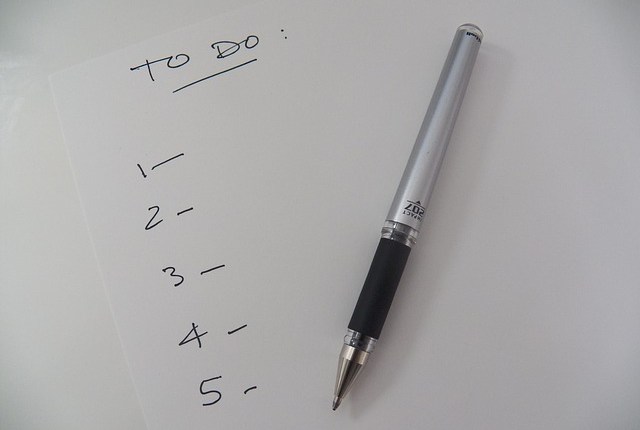
  • I make a to-do list every day. During depressive episodes, I write down some of the smallest tasks such as make the bed, feed the dog, brush my teeth, etc. Writing these things down helps me to see how much I actually get done every day. Once I complete a task, I cross it off my list; this shows me all of the things I’ve done each day.
  • When I’m really struggling with depression, I write down some tasks on my to-do list that I’ve already completed and cross them off. Then I can look at my list and feel more productive.
  • To-do lists not only help me stay productive, but they also help me remain organized. My mind tends to get easily distracted, so organizational skills are extremely important for me.
  • Taking medications regularly is vital. Our doctors prescribe these to us for a good reason; the meds can only really help us if we take them regularly, as prescribed.
  • Keeping a regular routine is also extremely important. This includes waking up and going to bed at the same time, showering at the same time, eating at the same times every day, setting aside a specific time each day to call friends or family, and working out at the same time every day are some examples of learning to keep a routine schedule.
  • A good night’s sleep is extremely important. It helps us to stay healthy. It’s important to sleep in bed instead of on the couch, and it’s also important in my experience to sleep at least 7 hours. If only I could follow my own advise for this one. Sleeping is something that’s easier said than done, but we can generally be more productive when we’re not tired all day long.
  • Exercise helps us feel good, and when we feel good, we are more productive. Walking the dog is a great form of exercise. Sometimes, all I can do is walk around the house, but it’s better than nothing. Sometimes I can do workout videos, but it’s not necessary to push yourself to do that much, as long as you do something.
  • Eating healthy is important. This is another one of my struggles. I tend to eat things that are easy to grab; or when I cook it’s generally unhealthy but tasty.

These suggestions are what I use to stay productive and feeling healthy. The to-do lists and taking medications are the things that work the best for me. I know I need to improve with the other healthy habits. They don’t always work, but it’s better when I try. Please remember that these suggestions are just from another person diagnosed with bipolar disorder, none of this information is from a doctor or medical professional.