Productivity Difficulty

Productivity Difficulty

I’m home and I’m trying to get some things done today. I just don’t seem to have the energy or desire. When I was in Connecticut visiting my mom, I could get up and start doing things without a problem; it wasn’t difficult for me. However, now that I’m home, I notice that it seems to take a lot more effort. Why is that? Why is life easier in one place and harder in another? I wish I had the same amount of energy and desire no matter where I am. When I’m home, I rely on my routine, which I’m having a hard time following so far today. I had this same problem with productivity before I left for vacation; I think I have this problem any time I’m home. I almost always get things done, but it’s extremely difficult. I usually feel as if I’m pushing myself close to my breaking point. When I’m away, I do what I want, when I want, but it’s all so much easier to do and I’m much more productive.

Maybe it will just take me a little time to get back in the swing of things, hopefully. It’s possible that I’m just overwhelmed because there’s so much to do. My husband does try to clean up before I come back home. The thought he puts in is enough for me, it shows that he cares. Plus, no one can clean up as well as I can, at least not to my standards. I know my husband tried because the bed was made and there were no dishes in the sink. There are papers all over the place, but it could be a lot worse. I want to be a productive person, I want to get things done without pushing myself beyond my breaking point; however, productivity requires energy and efficiency. Maybe I can just do one thing an hour. I could also spend 20 minutes coloring in my new adult coloring books in-between each task I get done.

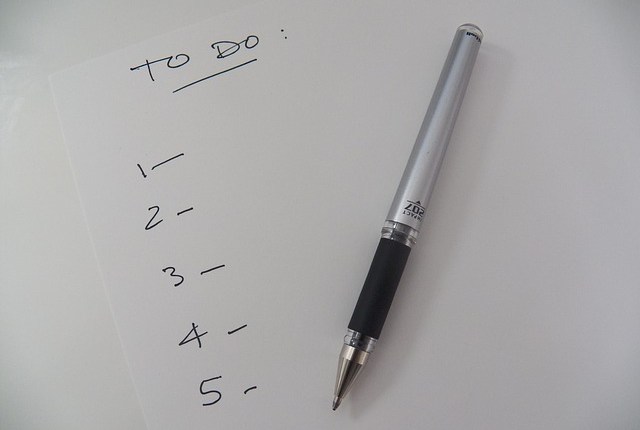
I still have to email my doctor, go grocery shopping, unpack, pick up the papers all over the house, pick up my prescriptions, return a gift that doesn’t work, and call a doctor’s office to debate a bill that they billed incorrectly (I think). It’s a lot to do, but it’s all written down on my to-do list. I need to be productive, for myself. I need to feel useful. The more I get done, the better I feel about myself.

Bipolar Extremes: Finding Balance

Bipolar Extremes: Finding Balance

I tend to be quite the extremist when it comes to my mood swings. I either have so much energy that I can’t stop cleaning or I can barely get off the couch to get anything done. I will admit that I somewhat enjoy the first few days of my manic episodes. I love the fact that I can get so much done; my house looks beautiful, dinner is always ready for my husband, I find it easier to run errands, I call my family and friends to catch up, I need less sleep, and some things are less anxiety provoking than usual. I love all of that; if only it would stay that way, but it never does. I run out of things to do, I start pacing and shaking, I make random and inappropriate phone calls, and I spend money more freely than I usually would; these are just a few examples of my bipolar mania. Often, when I’m manic, I still feel pathetic, worthless, and insignificant, as well as deal with suicidal ideations. I think that some of these episodes are considered mixed episodes because of how badly I feel about myself; mania generally has feelings of elation.

As my manic episodes come to an end, I tend to crash hard. All of the sudden, I’m sleeping way more than I need, I have a hard time getting out of bed or getting up to do just about anything, and my feelings of worthlessness and uselessness grow even deeper along with my suicidal ideations. I never get a break from feeling horrible about myself, no matter what type of episode I’m in. While I like the productivity aspect of the mania, there is not one part of the depression that I enjoy. I wish there was a way that I could feel okay and still be productive, but I haven’t found one yet.

What I really want is to find some middle ground somewhere. I must have experienced it at some point during my life, but right now, I can’t remember any moment like that. Maybe it’s just because of my memory loss from ECT. I know that I have come out of a few major episodes before, but no matter how balanced I seem, there is always something going on in my head telling me how pathetic I am. I just have to trust that I have had balanced times in my life. This is where positive thinking comes into play. It’s not easy to be positive, but there are several techniques that I use to help me through these difficult times. None of these techniques are easy to do, but they are vital to our health.

Use these techniques to get past the bipolar extremes and find peace and balance in our lives:

  • Remember there is always hope; believe in that hope. If you can’t, having someone else believe for you can help. When I can’t, my husband and mother believe for me.
  • Reach out to your loved ones and caregivers.
  • Find a support group that you’re comfortable with.
  • Be 100% honest with your psychiatrist, otherwise they can’t help you.
  • Take your medication as directed, otherwise it won’t work properly.
  • Write down the different methods that help you feel better and worse so you know what to do and not to do in the future.

Productivity with Bipolar Disorder

Productivity with Bipolar Disorder

Being productive can be an extremely difficult task for those with bipolar disorder depending on their mood. Personally, I have no problem maintaining productivity when I’m manic. In fact, I can’t sit still during manic episodes; I’m always finding something to do. However, staying productive during a depressive episode is one of the most difficult challenges I face; it can even be difficult at times when I’m feeling well. I use the following techniques to help me stay productive and organized:

  • I make a to-do list every day. During depressive episodes, I write down some of the smallest tasks such as make the bed, feed the dog, brush my teeth, etc. Writing these things down helps me to see how much I actually get done every day. Once I complete a task, I cross it off my list; this shows me all of the things I’ve done each day.
  • When I’m really struggling with depression, I write down some tasks on my to-do list that I’ve already completed and cross them off. Then I can look at my list and feel more productive.
  • To-do lists not only help me stay productive, but they also help me remain organized. My mind tends to get easily distracted, so organizational skills are extremely important for me.
  • Taking medications regularly is vital. Our doctors prescribe these to us for a good reason; the meds can only really help us if we take them regularly, as prescribed.
  • Keeping a regular routine is also extremely important. This includes waking up and going to bed at the same time, showering at the same time, eating at the same times every day, setting aside a specific time each day to call friends or family, and working out at the same time every day are some examples of learning to keep a routine schedule.
  • A good night’s sleep is extremely important. It helps us to stay healthy. It’s important to sleep in bed instead of on the couch, and it’s also important in my experience to sleep at least 7 hours. If only I could follow my own advise for this one. Sleeping is something that’s easier said than done, but we can generally be more productive when we’re not tired all day long.
  • Exercise helps us feel good, and when we feel good, we are more productive. Walking the dog is a great form of exercise. Sometimes, all I can do is walk around the house, but it’s better than nothing. Sometimes I can do workout videos, but it’s not necessary to push yourself to do that much, as long as you do something.
  • Eating healthy is important. This is another one of my struggles. I tend to eat things that are easy to grab; or when I cook it’s generally unhealthy but tasty.

These suggestions are what I use to stay productive and feeling healthy. The to-do lists and taking medications are the things that work the best for me. I know I need to improve with the other healthy habits. They don’t always work, but it’s better when I try. Please remember that these suggestions are just from another person diagnosed with bipolar disorder, none of this information is from a doctor or medical professional.