I Can’t Even Fake Okay

I Can’t Even Fake Okay

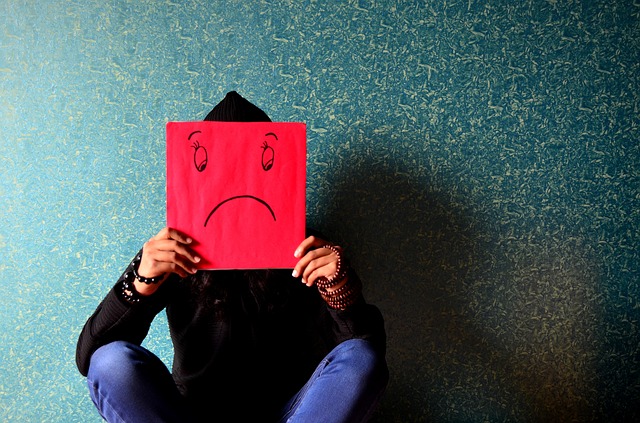
I couldn’t even fake being okay today. I tried, I seriously gave it my all, but between the emotional aspect and the physical side due to medication side effects, I was pretty much a wreck. There was a get-together at my mother-in-law’s house just because, basically to see our granddaughter. Technically, she’s my husband’s granddaughter, but I feel like she is mine as well, and step-granddaughter just sounds weird. She is 6 months old and absolutely beautiful. I wasn’t feeling very well today, I had a lot of physical weakness. I was too nervous to hold the baby because of the weakness; I didn’t want her to get hurt. I have dropped several things I was supposed to be holding, such as dinner bowls, I didn’t want her to be added to that list. So I didn’t have as much time with her as I wanted, and that breaks my heart.

I went to the family get-together in a difficult emotional state to begin with. Earlier in the day, someone seemed upset, so I asked if everything was okay. The response I got was that I ask too many questions and it can be frustrating. The way I took it is that I talk too much; my memory is horrible causing me to ask too many questions, and that I’m overall annoying. I’m sure it wasn’t meant like that, but this is where the bipolar kicks in; my mind always goes to the extremes. So I spent the rest of the day trying not to talk, which is extremely hard for me. My memory is horrible due to ECT and I talk so much and ask a lot of questions because of the bipolar mixed episode that I’ve been in. I guess I don’t take negative feedback very well.

I think it bothered me so much because I don’t feel like I have control over myself, my memory, how much I talk, or what I say. I tried my best to fake feeling happy. I would have tolerated being able to fake feeling okay, but I could barely even do that. I used to think that I could always fake being okay, but today proved that I’m wrong. I don’t want to annoy this person, but if today bothered them because of how much I was talking or asking questions, then I think it must bother them every day. All I can think is that I must annoy this person all the time. Every time I have started to open my mouth that was thought that went through my mind. So I’ve done my best to be quiet, although I know that’s not the best answer. Hopefully tomorrow will be a better day.

Maintaining Relationships

Maintaining Relationships

Relationships are particularly difficult when you’re dealing with bipolar disorder. Personally, I struggle when it comes to reaching out to those I care about. I prefer having just a couple close friends that I can trust, than having a large group of friends. It takes a lot of work to remember to reach out to friends and family. In fact, if I want to reach out to someone, I have to put it on my to-do list. Currently, I have a couple of close friends that I try to reach out to on a regular basis, and thankfully, they also reach out to me. My family members are not diagnosed with bipolar disorder, although my friends are almost all diagnosed with some type of mental health illness.

Having friends that also battle with mental health disorders is both positive and negative. It’s wonderful to have friends that understand what I’m going through, but that also means that these individuals deal with the same things that I struggle with, and I wouldn’t wish that upon anyone. I have had several friends of the past decade that I became close with; I will always be grateful for those relationships; however, I may be doing okay and my friend begins to go through an episode and distances themselves from me. This is difficult to handle, but I understand how and why it happens. It’s important to remember that when this happens, it’s usually due to their bipolar and mental health episodes and not because of me. I have had this happen to me several times, and I have also done this to others many times depending on state of mind. When someone who is diagnosed with bipolar disorder backs away from you, it is important to know that it is most likely because they are struggling, it’s not personal.

I’m currently attempting to reach out more to my family. I believe that family is the most important thing in life; no one will ever love and support you like your family does, at least that is my experience. Someone recently asked me how my relationship was going with one of my family members. I told him that it was improving; I have decided to reach out to them more often. The conclusion I have come to is that I cannot expect others to put forth any effort in our relationship unless I am willing to do the same. If I want to have a relationship with anyone, I need to work at it. Surprisingly, it’s a lot easier than I thought it would be. Even just a text message to say hello can mean a great deal to another person.

I’m working on reach out to my friends and family in many ways. Most of it is because of the support I receive. I use the following methods to help maintain my relationships:

  • I write on my to-do list who to call or text that day so I make sure it gets done.
  • I put things in my phone’s calendar as another reminder.
  • I listen to my husband; he often suggests appropriate things for me to do.
  • I make ‘dates’ with friends and family. Once something is scheduled, I’m very unlikely to cancel it.
  • I tell my loved ones how much they mean to me. I go through periods where I can’t express this at all, so I make sure to do so when I can.
  • I try to support and encourage my friends. Treat others as you want to be treated.
  • Relationships are hard for me; they’re also hard for others. I have to remember to cut others some slack; keep the expectations to a minimum.

Using these techniques, I have been able to maintain friendships, and I am happy to say that I have become closer with my family. Friends and family provide support, which is vital to my mental health.

Explaining Mental Illness to Others

Explaining Mental Illness to Others

I get a lot of comments from people who don’t know that I’m diagnosed with bipolar and PTSD, and also from those that know and simply don’t understand. One family friend simply doesn’t understand. If we are out together in a group and my husband walks away for a moment, I tend to get anxious. I start to look around; making sure that nothing frightening is going to happen while my husband stepped away momentarily. His friend starts to tell me, “Don’t be anxious. Don’t worry, nothing bad will happen. Just relax.” I try to explain to him a little about anxiety and mental health, but he doesn’t get it. I feel invalidated and ridiculous by his comments; I end up feeling as if my emotional reactions are foolish and irrational. I’m not sure if I should bother explaining it to him again. He hasn’t understood it the first 5 times, why would he get it the next time? Even though I often feel uncomfortable in these situations, I accept this guy as a part of my life. I have hope that it will get better over time.

Not everyone is like that individual. I was at a family gathering yesterday for someone’s birthday. It was very obvious that I wasn’t feeling well. I explained that it was due to a new medication. Everyone that I talked to was understanding; some people asked a few extremely personal questions, but not one person was rude or dismissive. There is another person in this family that also struggles with bipolar disorder; they are accepting of her, but they don’t seem to understand much about the illness. Various people asked me questions such as, “Why aren’t you feeling well? How long have you been on this medication? What is this med supposed to treat? Why would you be willing to take something so risky or difficult? Don’t you think you can just get better with time?” Some of these questions were legitimate, some were a bit odd. I answered everything I could, and then I decided to provide some educational information.

I talked about NAMI (National Alliance on Mental Illness) and how it can help those diagnosed with mental illness and their families and loved ones. I talked about the NAMI Family to Family classes that are provided all over the country. I explained that my mother and sister took these classes shortly after I was diagnosed and how helpful it was for them. I described how it helped my mom and sister understand how my brain worked, what they should and should not do depending on the episode, and even how to take care of themselves. The couple people I talked to about this seemed quite responsive and even intrigued. It was really nice to have people seriously interested in what I had to say instead of ignoring me, even when I’m just answering their questions.

In my experience, family has always been supportive and caring; both my family and my husband’s family really seem to care about me and my wellbeing. No one always expresses themselves properly, but I do know that what they do always comes from love. Of course there will be times when they say the wrong thing, but that happens to everybody. In those situations, I need to remember that they didn’t mean anything by it, and that it is okay for me to stand up for myself by saying that my feelings are hurt.


Family Get-Togethers

Family Get-Togethers

My family (in-laws) likes to get together a lot, at least for every birthday and holiday. Honestly, I like that. Family is extremely important to me and they are always supportive. Only recently have I really started opening up about the depths of what’s going on with me, and I was pleasantly surprised as to how understanding and encouraging they were. They already knew about my diagnoses, but not the details about how I feel in the moment. Being more honest about my mental health state has made me feel more comfortable with them; I don’t feel like there’s anything I need to hold back anymore.

One thing I really struggle with is saying ‘No’, to anyone about anything. I don’t know why, but I would usually rather have an anxiety or panic attack than tell someone I can’t do something. I told my mother-in-law, who I am getting closer and closer with (and I love that), and she was extremely understanding. I even feel as if I could tell her ‘No’ and I wouldn’t freak out about it. It’s amazing what a little bit of honestly and openness will do.

Yesterday, I received an invitation from my husband’s aunt for a get-together that will happen tomorrow. I really want to go to this; I get along well with everyone. I’m going to call today and say I can go, but I’m a bit nervous because of the new medicine I started. I’m increasing my dose by 25mg every night; what happens if I can’t physically go at the last minute? I don’t like being the person that cancels last minute, but I can’t say how I will be feeling tomorrow evening because of this medication. It’s a different reason than I normally have for being nervous about get-togethers. Maybe I should just be completely honest and tell them everything I just wrote. Honesty is the best policy, even when it’s scary.

My husband’s family, which I consider to be my family instead of just my in-laws, is extremely important to me. Almost all of my side of the family lives in the North East, with a few people scattered around the US. However, I am the only one from my side of the family that lives in Arizona. All of my husband’s family lives near; I love that we have the ability to see them almost any time we want.


Planning Ahead Helps Reduce Stress

Planning Ahead Helps Reduce Stress

I have a difficult time doing anything that is not in my normal schedule. Even if it’s as simple as going to a new store to go shopping, meeting someone at a restaurant I’ve never been to before, or going to a get together at a family member’s or friend’s house. I do my best to prepare myself for any situation that I will be getting myself into. Basically, all I try to do is to find out as much information as I can about the upcoming event and come up with a plan for what I can do if I have an anxiety/panic attack, if I start crying, or if I become uncomfortable in any way. Planning helps me feel safer and reduces stress when I walk into these unknown situations, but it doesn’t always solve every problem.

For example, today I went to two different family member’s houses. The first house was somewhere I had never been before. I started planning by trying to figure out who was going to be there, my husband helped me with this. Then, my mother helped me by reminding me that I can handle this. Also, if I became too uncomfortable or scared, I could always walk outside and call someone to talk me through it. Additionally, I planned on taking a Valium on my way over there to help keep me feeling relaxed and prevent an anxiety/panic attack. Furthermore, I planned on sitting by someone I’m very comfortable with and having my husband sit on the other side of me, that way no one could catch me off guard.

Nothing every goes perfectly as planned, but things almost always go better when you have a plan rather than going in unprepared. When I arrived at the first house today, I was surprised to see that there were 5 people there I didn’t know, and I had no clue these people would be there. I freaked out at first, my heart started to race, but at least I had taken a Valium, otherwise my reaction would have been much worse and more noticeable. Then I thought about my plan and I sat myself down next to a family member that I find enjoyable and is also understanding of my bipolar disorder. This kept me calm. I used these techniques help me through the day, and to my surprise, it was easier than I thought it would be. I’m sure that the people I didn’t know thought I was different because I avoided them at all costs, but oh well; all I really cared about was making it through the day without freaking out.

The second house I went to was fine; I’m already comfortable with the people there, and everything went well. I’m proud of myself for making it through the day, especially since things didn’t go as I thought they would. Planning ahead doesn’t solve every situation, but it does make it a whole lot easier. It also helps a great deal to be with someone that knows your situation and is there to support you; for me, that’s almost always my husband. He knows how to make me feel safe and comfortable. I’m extremely grateful for his love and support, as well as the love and support from my mother and other family members.