Understanding and Accepting Mental Illness

Understanding and Accepting Mental Illness

I was talking to my husband this morning, we were having a conversation about something and then suddenly I changed the subject. I thought he was following along with me, I thought he understood, but apparently I just started talking about something completely different with no notice. My brain was thinking too fast; there was no way for anyone to keep up with what I was saying. I was going from one subject to another, just a single word would trigger a different thought process and then I would be off on that new subject. I spent about 10 minutes just trying to explain how I got to the new topic I was on, and then I had to explain exactly what it was that I was talking about.

I’m not so sure if my husband will ever really understand how my brain works. How is anyone supposed to understand something that they are not themselves? No matter how much someone studies the bipolar disorder, I don’t think they will every really understand what it’s like to live with this illness. That is why support groups are so important; they bring people together who live with the same diagnoses. Support groups provide comfort and understanding that cannot come from people who do not have the bipolar diagnosis. This doesn’t mean that people without bipolar cannot support us. I have several people who support me. My family especially is very accepting of my diagnosis and they do the best they can to understand what I’m going through. It means so much to me that my family cares considerably, I’m extremely lucky.

In my opinion, others can only understand so much of how we think, but they can accept us for who we are. I know this isn’t easy; sometimes I have a hard time understanding and accepting it all myself. It’s hard to explain to others what I’m feeling, what/how I’m thinking, and what would be helpful. When I’m manic, it can be difficult to slow down enough so I can make sure that I’m making sense, and when I’m depressed, it can be difficult to care enough to explain things to others.

I have found two different country-wide groups. The first is NAMI, the National Alliance on Mental Illness, which supports both individuals with mental illness as well as their family and friends. NAMI has a free 12 week program called Family-to-Family that is meant to educate family, friends, and significant others of individuals who live with mental illness. My mother and sister completed this program when I was in high school. I remember that after one of the sessions, my sister came home, hugged me, and told me she was sorry that I had to live with this. She and I struggle in our relationship at times, but the fact that she cared enough to complete the Family-to-Family program, meant a lot and helped us grow closer. I felt more comfortable around my mother and sister after they completed this program.

The other national support group I know of is DBSA, Depression and Bipolar Support Alliance. DBSA also supports both those with mental illness and their family and friends. The local support chapters are run by volunteers. Their website helps people find local support groups for friends and family members, for parents, and for loved ones as well as support groups for individuals with mental illnesses. They also have online support groups for each of these different categories of people. DBSA also has educational materials and training options so individuals can start-up and run their own peer support group. I used to go to a DBSA support group, and I found it to be extremely helpful. I also met a lot of friends there that I’m still friends with, which is a big deal for me.

Maybe it’s weird that I don’t think others without mental illness can truly understand how I think and what I go through, but it doesn’t mean I don’t think they can care about me or try to understand me. For example, I’ve never broken my leg before, so I don’t really know what it’s like to have that happen to you. I don’t know what it feels like, how much pain it is, how inconvenient it can be, and how you have to change your life so you can heal. I still care about those that I know that broke their leg; I show that I care and that I’m compassionate, but I don’t know what it’s really like. That’s exactly how I feel about mental health. If someone has never experienced it themselves, then they don’t know what it’s like to personally live with mental illness. I’m not sure if that makes any sense to others, but it does to me. Even though no one in my family is also diagnosed with bipolar disorder, they all still try to understand and show me how much they care. I do have an aunt that also struggles with depression, and that brings us closer together. It’s a connection that I don’t have with other family members. My family loves and supports me, and that’s all that matters to me.
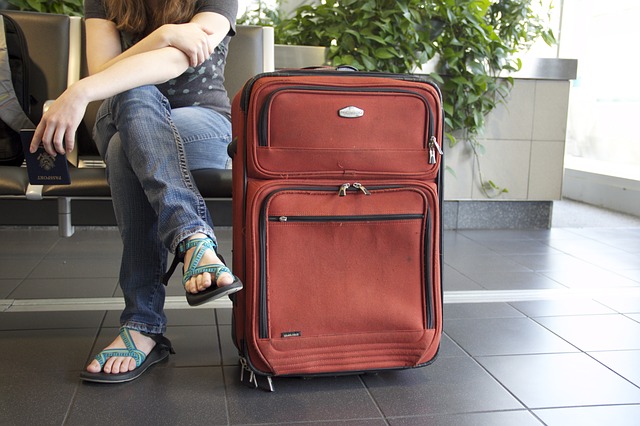
Preparing To Travel

Preparing To Travel

Traveling is something that can be fun to do, depending on several factors such as how you get there, who you’re with, and your destination. I have two different getaways coming up, and I know that it’s time to start getting ready for at least the first one. I want to be prepared for them, and the only way to do that is to actually do the work, both physically and mentally. Traveling when you’re bipolar takes more than just packing. The more prepared I am for the actual traveling, time management, and visitations with others, the more I will enjoy my trip.

My first getaway is this Wednesday and it’s just one night away with my husband. A friend of his is getting married and we decided to go away the day before so we don’t have a lot of driving to do all in one day. Plus we get a night away from our normal lives, which every couple needs to do now and then. I should be looking up activities to do while we are away other than just go to the friend’s wedding. Instead, I’m just anxious about going somewhere I haven’t been before and going to a wedding where I’ll be surrounded my other people. I know that I’ll be with my husband, who makes me feel safe, so I’m sure everything will go okay. I just need to stop playing it all over and over in my head, that’s doing me no good. As I was writing this, I realized I need to start planning some things to do while I’m away with my husband, we like to stay active. With one simple Google search I found a Dolly Steamboat tour and an entire Ghost Town to explore! It was so simple, and it looks as though we will have a lot of fun together. We can start making plans soon when he gets home from work. I’m actually looking forward to it.

My next trip to plan for will take a lot more planning. I’m going across the country to visit my mom and the rest of my family. I will actually be with my mom on Mother’s Day, I can’t wait! The most difficult part of the trip is the flying. I love to fly, my dad was a pilot, but it’s the airports that get to me. People don’t respect each other’s space and everything is crowded from the security lines to the bathrooms. People act as if you’re going to win a million dollars by boarding the plane as quickly as possible; it’s the same problem when it comes to deboarding the plane. I don’t like to be rushed, so I get there early, but that just means I have to deal with the crowds longer. All I really want to do is find a quite place to myself, anywhere I can sit down and plug my laptop in while I wait for my plane. I look for the same thing during my layover. It’s not usually a successful venture, but it’s still worth a try. To keep myself calm I take my Valium and I remind myself all the time that I’m on my way to see my family. Nothing is better than being able to see my family.

I’m going to visit with my mom, nieces, nephew, aunt, grandmother, family friends, and even some old friends I’ve been out of touch with. I’m lucky that my family is extremely accepting of my bipolar disorder and my anxiety. It can be difficult to fit in everything I want to do during the short amount of time I’m there, especially when you’re trying to adjust to a different time zone. This time, I’ll be there for eight days. I’ll get as much done as I can, but I can’t overextend myself, traveling is hard enough already. It is hard living away from my family, I need to take advantage of the time that I do have with them while I’m there. This visit in particular, I’m looking forward to one-on-one time with certain people such as my mom, aunt, and grandmother. I mostly just hang out with my family, but there are a few things I want to do while I’m there. I want to complete my Wellness Recovery Action Plan (WRAP) with help from my mom, I still have to do blood work and get medication, I have a birthday gift for my niece, and there’s a 3D Leonardo Di Vinci exhibit I can’t wait to see. This is all I can think of at the moment. If I want to get all of that done, then I better start planning.

What’s Coming? I Hope It’s Not A Crash

What’s Coming? I Hope It’s Not A Crash

I wouldn’t necessarily say that I’ve been manic lately; I’ve been in a mixed episode more or less. Everything changes day by day; whether or not I’m able to get things done, how much energy I have, my emotional state, how much I reach out to others, if I can complete my goals, and how impulsive I am. These are my major signs that show what state I’m in; manic, depressive, or mixed. Since I had an ECT treatment yesterday, I generally slow down for at least a few days as my body recovers.

When I’m manic or mixed, I tend to get a lot of household responsibilities done. I can go all day without stopping. I make sure that I can complete every goal I set out for myself. I can’t stand not being able to cross off every item on my to-do list. I also usually reach out to others, both friends and family, when I’m manic or mixed. I withdraw as the depression sets in. I usually don’t have elated feelings to begin with during mania or mixed episodes; I still tend to feel bad about myself, unable to see the good things that I have done.

Every day, I see certain symptoms changing. For example, today I’m having a hard time getting things done. It is the day right after ECT, so I’m trying to give myself a break, but reaching out to others is also very hard. I’m also feeling the emotional depressive symptoms, wishing I wasn’t around is a common feeling for me. I’m not sure if there’s a crash coming, or if I’m just reacting to life’s circumstances. The worst part, in my opinion, is I keep gaining weight. It’s been happening for a few months now. I’m up 30 pounds, and I don’t have the will power to fight it. I have been wondering what’s coming for a little while now. Sometimes I think my episodes happen in waves; often never-ending and they don’t often last long enough to realize what’s happening, which is an improvement from before, now that I think about it.

If this is a crash coming, then it’s probably the easiest one I’ve gone through. Or maybe the new medication, Clozapine, is helping ease the fall a little bit. Other times, I have spent all my money, gained 80 pounds, or withdrawn completely from my loved ones. I’m still productive, no matter how difficult it is, and I’m working at keeping my relationships healthy, which is extremely difficult for me. I’m still trying, that’s what matters. Maybe I should just be grateful that I am still able to work at it. When my depression hits, it doesn’t matter how hard I try, I still don’t get things done like I want to.

Gift Giving Is A Gift Itself

Gift Giving Is A Gift Itself

Everyone has something they enjoy doing. When you’re dealing with depression, those things you normally enjoy seem to become work instead of fun. One of the things I like to do is search online for gifts to give my loved ones. I even tend to enjoy it when I’m going through a depressive episode. I greatly enjoy giving people personal and meaningful gifts, something that they would enjoy. I don’t always know why I like doing this so much; I just do. Better yet, I’ve been told by many family members that I’m really good at it. I suppose that when I’m looking for the perfect gift for someone, I think back through all of my memories I have with that person. I think about that individual, what they enjoy, and I get to replay our good times together. Then, when I give the person their gift, I get to see the enjoyment on their face and/or in their voice. All of that is a gift that I get.

For example, my brother just got married and I gave them a set of four stone coasters. Each coaster had a different vintage map on it; his new wife is into vintage things. I put a different map on each coaster. For their honeymoon, they went on a cruise. I looked up their cruise and found out where it was going. I put the different places they went during their honeymoon on the coasters. That way, every time they use the coasters, they would remember their honeymoon. I wasn’t sure if they would like them or not, but they ended up loving them. I really enjoyed hearing the excitement in their voices and their thank you card when I heard from them shortly after they returned, which was a great gift to me.

I’ve already started my Christmas shopping this year; actually, I started at least a month ago. I keep a list of all of my ideas, that way I don’t forget since my memory is so horrible. Then I buy a couple of things here and there. This makes it easier for me when Christmas comes along; it takes the stress off during the holidays. I don’t have to spend one large sum of money all at once; I just spend a little bit at a time. I’m not pressured to come up with gift ideas in a short amount of time. Why didn’t I think of doing this earlier? The only problem is that I get so excited about the gifts when I get them in the mail (since I do almost all of my shopping online) that I have a hard time waiting to give the gifts to each person. I’m doing well so far this year; I haven’t given anything away early.

Bipolar Disorder Affects Our Friends and Family

Bipolar Disorder Affects Our Friends and Family

Personally, I mostly think of how much my bipolar disorder affects my life. Bipolar disorder causes my personality and capabilities to change over time. I can be happy one moment, and then suddenly I’m crying. It’s not always this extreme, but my moods do shift without having the power to control them or even know when they’re coming. I’m lucky to have family and a couple friends that are extremely supportive of me. However, no one is perfect. Sometimes one of them may say or do something that upsets me and my mind automatically thinks, ‘Don’t they know what I have to deal with? And they’re complaining because of how my disorder affects them?’ It takes me a little while, but then I realize that my disorder has a huge influence on those around me, especially those I’m close with.

I have to work very hard at remembering that I’m not the only person my bipolar disorder has an impact on. Even when my loved ones are educated, they’re still human, and some of my symptoms can be extremely difficult to live with. This is true especially when I’m in a manic or depressive episode. Recently, I was experiencing a mixed episode, some of my manic symptoms included constant fidgeting, increased talking, and was barely sleeping. It took me a while to realize that my symptoms were also affecting my family, especially those I live with. One family member recently said something that hurt my feelings. All I could think was how I didn’t have control over what I was doing, and I felt as if this person was blaming me for that. It took me a while, but now I realize that my family has to live with bipolar disorder as well.

Many individuals diagnosed with bipolar disorder at some point struggle to work. Personally, I went through a huge manic episode with psychosis that caused me to be unable to work at all. I have been on Social Security Disability since 2009. I still bring in some money thanks to SSDI, but I don’t make the money that I used to make. For many people, this type of situation often causes problems in families and couples. Our support systems often feel helpless because they can’t fix us, and they often can’t even understand us when we’re manic. But they’re not helpless. They can help to make sure we are taking our medication, help us come up with strategies to reduce stress, encourage us to contact our doctors, and if necessary they can contact our doctors if given permission when we have failed to do so. These are things that my family helps me with.

It’s a lot of work to be the support system for someone with bipolar disorder, or any mental health illness. Our loved ones can experience emotional and financial distress, they often have interruptions to their routines, they have to learn to handle our unusual and sometimes reckless behavior, and the stress they experience can often cause health problems. There are support groups and meetings for our loved ones, just as there are support groups that we can go to. It’s vital for our support system to receive support; otherwise, they won’t be able to be there for us. If we want someone to be patient with us, then we need to be patient with them. It’s much easier said than done.

Maintaining Relationships

Maintaining Relationships

Relationships are particularly difficult when you’re dealing with bipolar disorder. Personally, I struggle when it comes to reaching out to those I care about. I prefer having just a couple close friends that I can trust, than having a large group of friends. It takes a lot of work to remember to reach out to friends and family. In fact, if I want to reach out to someone, I have to put it on my to-do list. Currently, I have a couple of close friends that I try to reach out to on a regular basis, and thankfully, they also reach out to me. My family members are not diagnosed with bipolar disorder, although my friends are almost all diagnosed with some type of mental health illness.

Having friends that also battle with mental health disorders is both positive and negative. It’s wonderful to have friends that understand what I’m going through, but that also means that these individuals deal with the same things that I struggle with, and I wouldn’t wish that upon anyone. I have had several friends of the past decade that I became close with; I will always be grateful for those relationships; however, I may be doing okay and my friend begins to go through an episode and distances themselves from me. This is difficult to handle, but I understand how and why it happens. It’s important to remember that when this happens, it’s usually due to their bipolar and mental health episodes and not because of me. I have had this happen to me several times, and I have also done this to others many times depending on state of mind. When someone who is diagnosed with bipolar disorder backs away from you, it is important to know that it is most likely because they are struggling, it’s not personal.

I’m currently attempting to reach out more to my family. I believe that family is the most important thing in life; no one will ever love and support you like your family does, at least that is my experience. Someone recently asked me how my relationship was going with one of my family members. I told him that it was improving; I have decided to reach out to them more often. The conclusion I have come to is that I cannot expect others to put forth any effort in our relationship unless I am willing to do the same. If I want to have a relationship with anyone, I need to work at it. Surprisingly, it’s a lot easier than I thought it would be. Even just a text message to say hello can mean a great deal to another person.

I’m working on reach out to my friends and family in many ways. Most of it is because of the support I receive. I use the following methods to help maintain my relationships:

  • I write on my to-do list who to call or text that day so I make sure it gets done.
  • I put things in my phone’s calendar as another reminder.
  • I listen to my husband; he often suggests appropriate things for me to do.
  • I make ‘dates’ with friends and family. Once something is scheduled, I’m very unlikely to cancel it.
  • I tell my loved ones how much they mean to me. I go through periods where I can’t express this at all, so I make sure to do so when I can.
  • I try to support and encourage my friends. Treat others as you want to be treated.
  • Relationships are hard for me; they’re also hard for others. I have to remember to cut others some slack; keep the expectations to a minimum.

Using these techniques, I have been able to maintain friendships, and I am happy to say that I have become closer with my family. Friends and family provide support, which is vital to my mental health.

Explaining Mental Illness to Others

Explaining Mental Illness to Others

I get a lot of comments from people who don’t know that I’m diagnosed with bipolar and PTSD, and also from those that know and simply don’t understand. One family friend simply doesn’t understand. If we are out together in a group and my husband walks away for a moment, I tend to get anxious. I start to look around; making sure that nothing frightening is going to happen while my husband stepped away momentarily. His friend starts to tell me, “Don’t be anxious. Don’t worry, nothing bad will happen. Just relax.” I try to explain to him a little about anxiety and mental health, but he doesn’t get it. I feel invalidated and ridiculous by his comments; I end up feeling as if my emotional reactions are foolish and irrational. I’m not sure if I should bother explaining it to him again. He hasn’t understood it the first 5 times, why would he get it the next time? Even though I often feel uncomfortable in these situations, I accept this guy as a part of my life. I have hope that it will get better over time.

Not everyone is like that individual. I was at a family gathering yesterday for someone’s birthday. It was very obvious that I wasn’t feeling well. I explained that it was due to a new medication. Everyone that I talked to was understanding; some people asked a few extremely personal questions, but not one person was rude or dismissive. There is another person in this family that also struggles with bipolar disorder; they are accepting of her, but they don’t seem to understand much about the illness. Various people asked me questions such as, “Why aren’t you feeling well? How long have you been on this medication? What is this med supposed to treat? Why would you be willing to take something so risky or difficult? Don’t you think you can just get better with time?” Some of these questions were legitimate, some were a bit odd. I answered everything I could, and then I decided to provide some educational information.

I talked about NAMI (National Alliance on Mental Illness) and how it can help those diagnosed with mental illness and their families and loved ones. I talked about the NAMI Family to Family classes that are provided all over the country. I explained that my mother and sister took these classes shortly after I was diagnosed and how helpful it was for them. I described how it helped my mom and sister understand how my brain worked, what they should and should not do depending on the episode, and even how to take care of themselves. The couple people I talked to about this seemed quite responsive and even intrigued. It was really nice to have people seriously interested in what I had to say instead of ignoring me, even when I’m just answering their questions.

In my experience, family has always been supportive and caring; both my family and my husband’s family really seem to care about me and my wellbeing. No one always expresses themselves properly, but I do know that what they do always comes from love. Of course there will be times when they say the wrong thing, but that happens to everybody. In those situations, I need to remember that they didn’t mean anything by it, and that it is okay for me to stand up for myself by saying that my feelings are hurt.