Being Open About Mental Health

Being Open About Mental Health

At this point in my life, I have decided to be open about my bipolar disorder. This doesn’t mean that I walk around telling everyone I meet that I’m bipolar, and I don’t wear a sign saying ‘Bipolar 1’,  but I don’t hide my diagnosis. However, I have no problem telling people my diagnosis and explaining to them what it’s like for me. I feel like sometimes I’m educating people who know nothing about mental health. Other times, I end up meeting some people who also deal with mental health themselves or through a loved one.

There will always be people in the world who don’t understand mental health. There are still some people who do not believe in mental health. It’s really hard to talk to someone who believes that. Instead of arguing with them, I’ve found that I’m not going to change their minds, so I just let them believe what they want to believe.

I used to try to hide my diagnosis; I was always afraid what others would think of me. Hiding it took so much work, it was exhausting. At some point, and I’m not sure when, I finally accepted my bipolar disorder diagnosis. Once I accepted it, I no longer felt as if I needed to hide it. Plus, once I became open about my diagnosis, I realized that there are a lot more people out there that deal with mental health issues as well.

So many people are afraid to talk about mental health, but there’s no need to avoid the subject. The only way people can learn about it is by discussing it. Talking about mental health will help get rid of or reduce the stigmas that we deal with on a regular basis. If someone has a problem with my mental health, then that is their problem, not mine.

Insomnia…

Insomnia…

I’ve probably mentioned before that I’m an insomniac. However, the Clozapine I take at night helps me fall asleep with 20 minutes, I just don’t stay asleep. I wake up at least twice every night. It would be nice to sleep through the night, but I don’t know if that will ever happen. My mind is always running extremely fast. It goes from one thought, to the next, and so on. I never catch a break; I never get a moment of peace from my own brain. This happens when I’m manic, depressed, and even when I’m not experiencing an episode.

There are many aspects in life that affect my ability to sleep. These aspects include keeping a routine, medications, my anxiety level, and my honesty. Keeping a routine is important, but it’s something that I’m not very good at. I almost never go to bed at the same time every night. I pretty much go to sleep whenever I feel like it, so that isn’t very helpful. Several of my medications, including Lithium and Tegretol XR, can cause insomnia in patients. I’m sure this worsens my ability to sleep. My anxiety level is high quite often. Even when it’s not high, I deal with anxiety on a regular basis, especially when I’m outside of my home. For me, it’s important to remain honesty. I have a hard time living with myself if I’m not honest. I truly believe that honesty is the best policy; it’s important that when we interact with others, you should treat them the way you want to be treated.

There are many reasons why I could struggle with insomnia. I wonder if this is something I’ll have to deal with for the rest of my life. When I was a young child, I would fall asleep anywhere. Now, I have to force myself to fall asleep. And to make matters even worse, I tend to have nightmares when I finally do fall asleep. My husband says that he can tell when I’m having a bad dream because I talk very loudly in my sleep and I’m constantly tossing and turning. When I wake up, I don’t always remember my dream/nightmare, but I do remember feeling terrified. I wonder if there’s anything I can do to help get rid of these nightmares.

Anxiety Symptoms – Problems Breathing

Anxiety Symptoms – Problems Breathing

I have anxiety attacks on a daily basis. Sometimes I know what causes them, other times I don’t. It’s not even actual events that always cause my anxiety attacks; sometimes my thinking can cause them to occur. My anxiety symptoms differ depending on the severity of the anxiety attack. Some of my symptoms include heart palpitations, shaking, chest pain, extreme fear, inability to speak normally, hot flashes, severe shortness of breath, dizziness, rocking back and forth, confusion and crying.

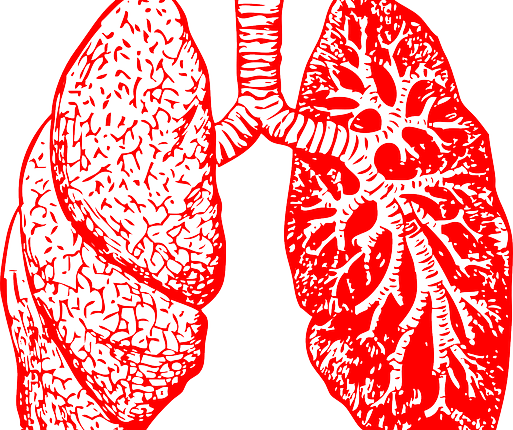
The severe shortness of breath is probably one of the worst anxiety symptoms I have to manage. All of the sudden, it feels as if I can’t breathe, like somehow my lungs are collapsing. It feels like it’s happening to both of my lungs at the same time; it seems as if the top portions of my lungs are collapsing. I try to take in a deep breath, but I can’t. I try over and over again with no luck. Then it gets worse; I can’t breathe if there is air blowing in my face. I have to turn off all of the fans and I need to sit completely still. I don’t know why I have to do these things, but I do know that they help me breathe. Sometimes my inhalers help, other times it does nothing for me. Then suddenly, I’m able to yawn, allowing me to take in a full breath of air. Finally, I feel okay again; however, it only lasts a couple of minutes until it starts all over from the beginning.

The Valium I take can help every other anxiety or panic symptom that I have, but it doesn’t help my breathing problems. This has been happening for years. I’m tired of it all, but all I can do is attempt to manage the symptoms. Does anyone else have breathing problems like I described when it comes to their anxiety? If so, I would like to hear how you manage

Blaming Myself Is Exhausting

Blaming Myself Is Exhausting

If you’re anything like I am, you blame yourself for everything that goes wrong in your life. Every time that something goes differently than I want it to, I consider it to be my fault. The truth is, it may not be anyone’s fault, but I still blame myself. This is a very hard way to live life, and it’s very exhausting as well. I also tend to apologize to others for no reason. My husband is always asking me why I keep saying ‘I’m sorry’. I don’t know what to tell him. I do my best not to apologize for that; to be honest, I don’t know where this issue comes from.

It’s not necessary to take responsibility for everything that happens in life. Some things just don’t go the way you want them to; however, I don’t know how to express my feelings to other people without telling them I’m sorry. When my husband is in pain, I tell him I’m sorry. What am I supposed to tell him? When my friend is upset, what am I supposed to tell him/her? I suppose I’m just unsure how to express my emotions. I’m open to suggestions, if anyone would like to offer any.

Worst Case Scenarios

Worst Case Scenarios

I’ve been told that I always tend to think of the worst case scenarios. I easily jump to the worst possible conclusion instead of the most likely conclusion. I try not to panic, but it happens so easily. I think that part of it is just the way I’m wired. I’m a worrier, it’s what I do. The other part is that I’ve experienced a lot of trauma over the years. My father died when I was 18 and shortly after that my boyfriend died. I have also lost numerous friends to drug and alcohol addiction and to mental illness. I suppose I just expect to hear bad news at this point. I would rather expect something bad to happen and end up being pleasantly surprised when it’s not true, than to expect good news and be disappointed with sad or scary news.

Maybe this is a terrible way to look at and deal with life, but it’s how I do things at this time. I don’t know how to do it any other way. I am learning to gather information before drawing a conclusion. For example, I heard that there was some type of incident in my home town where someone lost their life. That was all the information I could find. Instead of assuming that it was a friend or family member, I called someone to see what they knew. Turns out, it was not about anyone that I knew. Another example is that I become scared when someone I don’t know talks to me or comes up to me. I am terrified of anything I don’t know. I’ve been able to get better at this over time. Hopefully, I will continue to grow and be able to reduce my anxiety.

IV Ketamine Scares Me

IV Ketamine Scares Me

The other day I made the decision to stop my ECT treatments and to increase by Clozapine dosage. I’m currently at 200mg and will be increasing my dose by 25mg each week until I reach 400mg. This was one of the options my psychiatrist gave me. Another option was to go back to doing ECT three times a week, but I’m not willing to do that at this point. The third option my psychiatrist gave me was to do IV Ketamine. He has been offering this as an option for many months now, but it’s not something I want to do.

IV Ketamine scares me for a couple of reasons. I used to get high off of Ketamine when I was using. That was a long time ago, and I know that abusing Ketamine and using IV Ketamine are two completely different things; the side effects of IV Ketamine are nothing like the effects of getting high off of it. My biggest fear of trying IV Ketamine is the possibility of dissociation. When I would use Ketamine to get high, I would take so much that I would slip into what’s called a ‘k-hole’, which is pretty much a dissociative state. I couldn’t move or speak, but I could still feel everything that was going on around me. The possibility of dissociating scares me, it triggers my PTSD. I always need to be able to protect myself, and dissociation would take that away from me. Plus, the treatments are especially expensive.

The use of IV Ketamine is highly effective, and it works very quickly. It is known to show improvements by the end of the infusion. Maybe my reasons for not trying it are ridiculous, but they are my reasons. I’m not saying that I’ll never try IV Ketamine; I would just prefer to leave it as an absolute last resort.

I Canceled ECT

I Canceled ECT

Today, I called and left a message for the ECT department. I made the decision last week to stop doing ECT and I even talked to my psychiatrist about it; all I had to do to follow through on that decision was to cancel my appointment. I’m really happy that I’m stopping these treatments because it is way too hard on my mind and my body. However, I’m extremely nervous that I could slip into an even worse depression or manic episode. It doesn’t seem as if the ECT treatments have been helping me for quite a while now. My concern is what happens if it was helping and I just didn’t realize it. If I go too long without these treatments, then I would have to start back three times a week, and I can’t handle that.

I’m taking a huge risk by stopping the treatments, but I also have to listen to my body. My husband agrees that the ECT treatments aren’t helping me. He agrees with my decision to stop the treatments. It’s nice to have someone who sees me every day agree with my decision. It makes me feel a little more confident in my choice to stop. I’m curious how long it will take for some of the side effects, such as memory loss, to improve?

Are there other people who have gone through ECT treatments on a regular basis for a while and then chose to stop? If so, what happened when you stopped? How long did it take for your side effects to improve?

IBPF: Honesty Between Patients And Psychiatrists

IBPF: Honesty Between Patients And Psychiatrists

Today, I had my biography and my first blog posted on the International Bipolar Foundation (IBPF). My first blog talks about the importance of honesty between patients and psychiatrists. It explains how I have learned over time what a big role honesty and respect play in the relationships between patient and doctor.

You can find my first post on the IBPF website here.

You can find my biography on the IBPF website here.

How Much Medication Is Too Much?

How Much Medication Is Too Much?

I take a lot of medication, and I really mean a lot. I take medication for both my mental health and my physical health. I already take Lithium, Tegretol XR, Deplin, Clozapine, Mirapex, Cytomel, Valium, and Inositol all for my mental health. I also take Zofran, Percocet, Depo-Estradiol, and Depo-Testosterone for my physical health. This doesn’t even include my multiple inhalers and breathing treatments. I’m hoping that I can decrease the meds over time. The first medication I want to go off of is the Deplin. It’s really expensive and I don’t think it’s been doing me any good. I have to wait until I’ve been off of ECT for a while before making any changes to my mental health medications.

A doctor told me this past week that a certain medication may help my bladder condition, but it would be a lifelong medication. I laughed, sarcastically, and told her that wouldn’t be a problem for me. I’m already on a lot of other meds that are lifelong ventures, adding one more to that list is no big deal. Plus, it would be awesome if I could eventually stop getting bladder installations done every week. The new medication is called Elmiron, and the problem is that it’s very expensive. The cheapest I found it was $224 a month. Luckily, my aunt found a patient assistance program that I’m qualified for. I have already filled out my portion of the paper work. I will have my doctor fill out the rest of the documents (which isn’t much) and then I can send it in. I’m excited to find out how much this program will help me.

I often wonder how much is too much. It’s hard to get off medications once you start them because everything has to be done slowly in order to know what medication is causing or helping each issue. Most of my medications are for my mental health, but there are still many that I take because of my physical health. Also, a couple of my meds from both physical and mental health are taken only as needed, so I don’t take them every day. For example, I only take the Zofran when I’m nauseous, the Percocet for pain, and Valium for anxiety attacks. I try to take these meds as little as possible; I don’t want to become dependent on them. I’m sure that I’ll always be on medication, but maybe one day I won’t have to take as much as I do right now. I wonder how many other people take as much medication as I do.

Depression Improvements

Depression Improvements

For me, there are different degrees of severity to my depression. I can only speak for myself, I don’t know if other people experience these levels of depression as well. My depression is getting better, hopefully because of the Clozapine. If that’s true, then the dosage increase should help even more. When I’m really deep into a depression, dealing with the worst of it all, I can barely get myself to get up out of bed or off the couch. I struggle with personal hygiene, I gain weight, I don’t care about things that are normally important to me, and it’s even difficult to feed my dog. Sometimes I cry uncontrollably, other times I’m just crying on the inside. I distance myself from my friends; I stop calling and visiting them. I also stop reaching out to everyone. There are times that I’m not able to express my emotions. For example, I will see a funny movie, I will think it is funny, but I’m unable to laugh. That is really hard to deal with. When my depression is at its worst, I can’t push myself through it no matter how hard I try. I’ve also been struggling with suicidal ideations for many months. It’s always there in the back of my mind.

Right now, it feels as if my depression has begun to improve. I still struggle with personal hygiene, weight gain, expressing my emotions at times, and reaching out to some people. However, I do recognize my improvements. I have been able to reach out to certain friends and even take the time to visit them. Taking care of my dog is no longer an issue. There are times when I still struggle to express emotions, but the fact that I am able to laugh at times is great. The fact that I am able to push myself to do things is a huge improvement. Even though certain things are hard, I have the ability to push myself to do them. It’s better than it was a little while ago when I couldn’t do anything no matter how hard I tried. It’s a big deal that I can notice these improvements. The suicidal ideations are still in the back of my mind, but the thoughts are there a lot less. Those feelings are no longer my first ideas.

I finally have some hope. I do think it’s possible that I can be genuinely happy again one day; I’m just waiting for that day to come. I must have some patience, maybe a lot of patience, but it will happen. I believe that I will have lots of ups and downs throughout my life. This depression is not the end of everything for me.